How do you meal plan from a garden in summer?
Summer meal planning works backwards from the usual way: you look at what's ready in the garden first, then decide what to cook. On the Pioneering Today Podcast, homesteader Melissa K. Norris explains that the trick isn't more recipes, it's a few flexible templates, a batch of pre-cooked protein and appliances that don't heat up the house.
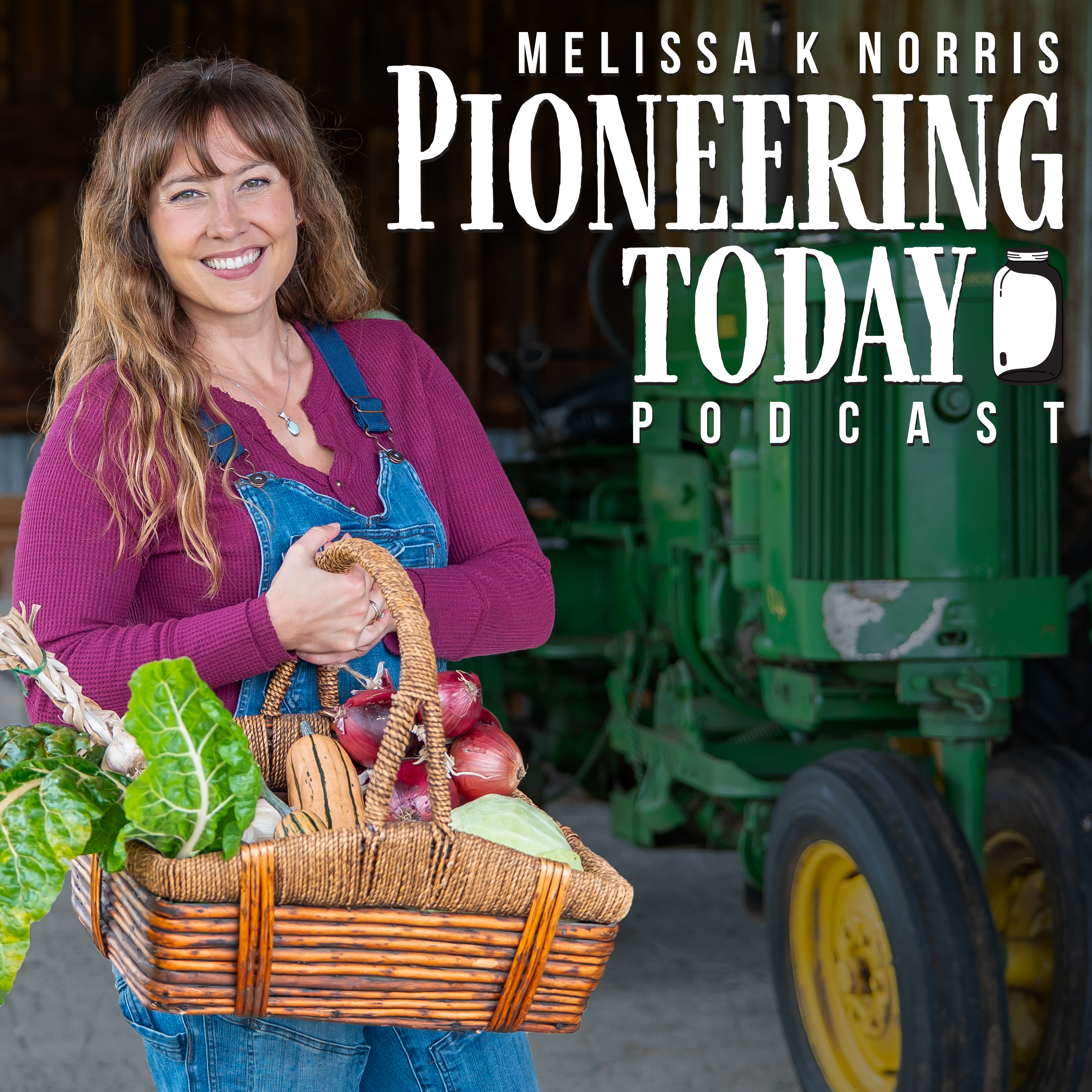
From the episode
How to Feed Your Family From the Garden All Summer (Without Heating Up the Kitchen) | Episode 515
Jun 18, 2026 · 26 min
Let the garden write the menu, not the recipe
Most of the year we pick a recipe and go shopping for it. Melissa flips that in summer. You walk out to the garden, see what's ready, and build the meal around it. Zucchini coming in fast? That's tonight's base. Lettuce bolting? Salad every lunch this week.
This does two things at once. It cuts food waste, because you're eating what would otherwise sit on the counter and go soft, and it removes the nightly "what's for dinner" decision. The answer is whatever's ripe.
She also recommends harvesting early in the morning. Vegetables are crisper and fresher before the heat of the day, and you're not out working in the sun. A quick morning walk with a basket becomes the planning session.
"Instead of choosing a recipe and then shopping for ingredients, summer is the perfect season to let your garden decide the menu."
Cook protein once, eat it all week
The garden gives you vegetables, but a meal still needs protein, and that's where most summer dinners stall. Melissa's fix is batch cooking. Once a week, cook a large amount of one or two proteins and use them across several meals.
Her list of proteins that hold up well:
- Grilled chicken
- Roast chicken
- Ground beef
- Steak
- Pulled pork
- Hard-boiled eggs
Hard-boiled eggs get a special mention. They cover quick snacks, egg salad, deviled eggs, protein on top of a garden salad, and lunches you can grab on the way out the door. A dozen boiled on Sunday solves a lot of Tuesday problems.
Do the big cook on a cooler day, or on the grill, so you're not running the oven in the afternoon heat. Then the rest of the week is assembly, not cooking.
"Cooking a large amount of protein at one time creates endless meal possibilities."
A few templates beat a stack of recipes
Instead of needing a new recipe every night, Melissa suggests building a handful of flexible meal templates you can fill in with whatever the garden is producing. The episode points to formats like:
- Big salads with a pre-cooked protein on top
- Bowls with a grain, a protein and whatever vegetables are ripe
- Pizzas topped with fresh garden produce
- Frittatas that use up eggs and odds and ends
The template stays the same. The ingredients rotate with the season. Tomatoes and basil in July become peppers and corn in August, and you never have to look up a recipe. The host explains that this is what actually reduces decision fatigue: not a bigger recipe collection, but a smaller set of reliable frameworks.
"Instead of needing a new recipe every night, create a few flexible meal templates you can customize based on what is coming out of the garden."
Keeping the kitchen cool while you cook
Heating the house is the other summer problem. Melissa's answer is to move cooking away from the oven. Slow cookers and pressure cookers put out far less heat than a conventional oven, and she notes that many homesteaders set them up outside on a covered porch during hot weather so the heat never enters the house at all.
The grill does the same job for batch-cooking meat. Between the grill, the slow cooker and the pressure cooker, you can get through most of a summer without turning on the oven.
Pair that with the earlier ideas and the routine is simple: harvest in the morning, batch-cook protein on the grill or in a countertop appliance, and assemble template meals from what's ripe. As Melissa puts it, the goal isn't finding more recipes. It's learning to work with the season.
"Slow cookers and pressure cookers generate far less heat than a conventional oven."
What to remember
- In summer, check the garden first and build meals around what's ripe instead of shopping for a recipe.
- Harvest early in the morning when produce is crisper and the day is cooler.
- Batch-cook proteins like chicken, ground beef, pulled pork and hard-boiled eggs once a week.
- Use a few flexible templates (salads, bowls, pizzas, frittatas) and rotate the garden produce through them.
- Cook with a slow cooker, pressure cooker or grill, even outdoors on a porch, to keep the kitchen cool.
People also ask
What's the easiest protein to batch cook for summer meals?
Melissa singles out hard-boiled eggs as the most versatile staple. They work for snacks, egg salad, deviled eggs, salad toppers and grab-and-go lunches.
How do I stop garden vegetables from going to waste?
Eat what's ripe first by letting the harvest set the menu, and build meals from templates that can absorb whatever's in surplus, like frittatas and big salads.
How can I cook dinner without heating up the house?
Use a slow cooker or pressure cooker instead of the oven, or grill outside. Melissa notes many homesteaders run those appliances on a covered porch in hot weather.
Based on the Pioneering Today Podcast episode 515, "How to Feed Your Family From the Garden All Summer (Without Heating Up the Kitchen)", released June 18, 2026, hosted by Melissa K. Norris.